Back to School Y'all: The Ultimate Guide to SVG Cut Files for Creative Projects
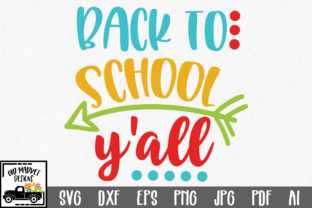
As summer winds down and the familiar scent of fresh pencils and new notebooks fills the air, a unique phrase starts popping up on T-shirts, classroom decor, and digital crafting forums: "Back to School Y'all." This cheerful, Southern-tinged expression captures the excitement and nostalgia of the new school year while adding a warm, welcoming twist. But if you are someone who loves creating custom projects—whether for your own kids, a classroom, or a small business—you may have also encountered the term "Back to School Y'all SVG Cut File." This article will walk you through everything you need to know about this popular design asset, from the meaning behind the phrase to the technical details of the file formats included in a typical SVG bundle.
Whether you are a seasoned crafter using a cutting machine like a Cricut or Silhouette, or a complete beginner looking to personalize a gift, understanding what an SVG cut file is and how to use it can unlock a world of creative possibilities. By the end of this guide, you will not only understand the purpose and significance of these files but also feel confident selecting, downloading, and using a "Back to School Y'all" design for your next project.
What Does "Back to School Y'all" Really Mean?
At first glance, "Back to School Y'all" might seem like just a catchy slogan. But its charm lies in its blend of regional warmth and universal back-to-school sentiment. The phrase takes the familiar "Back to School" theme and infuses it with the friendly, inclusive tone often associated with Southern hospitality. The word "y'all" is a contraction of "you all," and it immediately makes the message feel personal and community-oriented.
For teachers, parents, and students alike, this expression signals a fresh start. It carries a sense of optimism, organization, and readiness. When used in design projects, the phrase often appears alongside playful school icons such as apples, pencils, rulers, chalkboards, or school buses. The aesthetic is typically bright, cheerful, and slightly rustic—perfect for everything from classroom bulletin boards to custom tote bags.
Understanding this cultural context is helpful because it explains why these designs resonate so strongly. They are not just about going back to school; they are about doing so together, as a community. That emotional connection is what makes the "Back to School Y'all" SVG cut file so popular among crafters and educators.
What Is an SVG Cut File and Why Does It Matter?
SVG stands for Scalable Vector Graphics. Unlike a regular digital image made of pixels (like a JPEG or PNG), an SVG file uses mathematical equations to define lines, curves, and shapes. This means you can scale it up or down infinitely without losing any quality. For cutting machines, this is crucial because the machine needs precise vector paths to know exactly where to cut.
A cut file is simply a digital file designed specifically for cutting machines like Cricut, Silhouette Cameo, or Brother ScanNCut. These machines read the vector lines in the SVG and use a small blade to cut along those paths through materials like vinyl, cardstock, iron-on, or even thin wood.
When you download a "Back to School Y'all" SVG cut file bundle, you are getting a ready-to-use design that has already been optimized for cutting. The lines are clean, the layers are organized, and the file is ready to load into your design software. This saves you hours of manual tracing or drawing.
File Formats Explained: What's in the Bundle?
A high-quality "Back to School Y'all" SVG cut file bundle typically includes the design in multiple formats. The inclusion of COLOR SVG, DXF, AI, EPS, PNG, JPEG, and PDF ensures that no matter what software or machine you use, you can open and work with the file. Let us break down what each format does:
SVG (Scalable Vector Graphics) – The Core Format
The SVG file is the star of the bundle. A COLOR SVG version means the design includes color information, which is helpful if you want to see the intended palette or if your machine supports multi-layer cutting. Most modern cutting software (like Cricut Design Space) natively supports SVG files, making them the go-to choice.
DXF (Drawing Exchange Format)
DXF is a vector format originally developed by Autodesk. It is widely used in CAD software and is also compatible with many cutting machine programs. Some older or specialized machines prefer DXF over SVG. This format typically contains only the cut lines without color fills, making it ideal for precise cutting.
AI (Adobe Illustrator)
If you are a graphic designer or someone who uses Adobe Illustrator, the AI file is your native format. It preserves all layers, paths, and editable elements, allowing you to tweak the design before exporting it for cutting or printing.
EPS (Encapsulated PostScript)
EPS is a versatile vector format that can be opened in many design programs, including older versions of Adobe software and some open-source alternatives like Inkscape. It's a reliable format for exchanging vector art between different programs.
PNG (Portable Network Graphics)
PNG is a raster (pixel-based) format that supports transparency. While you cannot cut directly from a PNG, it is perfect for print-then-cut projects. You can print the design on your home printer and then have your machine cut around it. A high-resolution PNG (usually 300 DPI) ensures crisp printing.
JPEG (Joint Photographic Experts Group)
JPEG is the most common image format for photographs and web graphics. It is a raster format that does not support transparency but is widely compatible. This format is useful for quick previews, sharing on social media, or using in documents where vector files are not required.
PDF (Portable Document Format)
PDF is a universal format that preserves the design's layout and formatting. It is excellent for printing, sharing instructions, or creating multi-page project guides. Some cutting software can also import PDF files, though it is less common than SVG or DXF.
Having all these formats in one bundle means you will never be locked out of a project due to software limitations. It is a sign of a thoughtfully prepared design asset.
Practical Uses for "Back to School Y'all" Cut Files
Once you have the files, the creative possibilities are nearly endless. Here are some practical ways people use "Back to School Y'all" SVG cut files in real life:
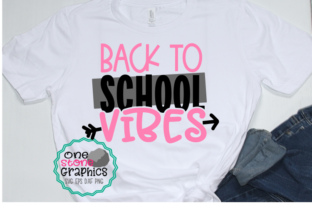
- Custom Apparel: Use iron-on vinyl to create matching "Back to School Y'all" T-shirts for siblings or the whole family. It makes for adorable first-day-of-school photos.
- Classroom Decor: Cut the design from adhesive vinyl and apply it to a chalkboard, a wall, or a storage bin. It instantly adds a welcoming touch to any classroom.
- Teacher Gifts: Personalize a tote bag, a mug, or a notebook for your child's teacher. The phrase feels especially thoughtful and appreciative.
- Bulletin Boards: Print the PDF or PNG version at a large scale and use it as a centerpiece for a back-to-school bulletin board display.
- Party Decorations: Host a "Back to School Y'all" celebration? Use the cut file to make banners, cupcake toppers, and favor tags.
- Scrapbooking: Cut the design from cardstock and use it as a title page for a back-to-school scrapbook layout.
These examples show how a single design file can adapt to many mediums and purposes. The key is choosing the right format for your specific project.
How to Choose the Right Format for Your Project
With so many formats available, it is helpful to know which one to reach for. Here is a quick decision guide:
- For cutting vinyl or paper with a Cricut or Silhouette: Use the SVG file (preferably the COLOR SVG if you want to see the design's colors in the software).
- For importing into Adobe Illustrator for editing: Use the AI or EPS file.
- For printing at home and then cutting around the shape: Use the PNG file with a transparent background.
- For sharing a preview with a client or friend: Use the JPEG or PDF file.
- For compatibility with older or specialized cutting software: Use the DXF file.
Having this knowledge empowers you to work efficiently and avoid frustration. It also helps you understand why quality SVG bundles include so many formats—it is about ensuring universal accessibility.
Common Misunderstandings About SVG Cut Files
Even experienced crafters sometimes have misconceptions about SVG cut files. Let us clear up a few:
- "SVG files are the same as JPEG files." No. SVGs are vector-based and infinitely scalable without quality loss. JPEGs are pixel-based and will become blurry if enlarged too much.
- "I can just use any image from the internet as a cut file." Technically, you can try, but most online images are not optimized for cutting. They may have complex paths, missing lines, or low resolution. A dedicated SVG cut file is designed with clean, closed paths that a cutting machine can follow.
- "COLOR SVG means the machine will cut in color." The color in a COLOR SVG is for visual reference in the software. Cutting machines cut only the outline; you supply the colored material (vinyl, paper, etc.).
- "All SVG files are the same quality." Quality varies greatly. Well-made SVGs have organized layers, smooth curves, and proper path closures. Cheaper or hastily made files may have jagged edges or missing pieces.
Understanding these points helps you become a more discerning user and ensures your projects turn out beautifully.
Tips for Getting the Best Results with Your Cut Files
To make the most of your "Back to School Y'all" SVG cut file bundle, keep these practical tips in mind:
- Always check the scale before cutting. Load the SVG into your software and resize it to your desired dimensions. A design meant for a 3-inch sticker will look very different on a T-shirt.
- Use a test cut on scrap material first. This is especially important if you are using a new material or a new blade. A quick test saves you from wasting your good vinyl or cardstock.
- Keep your files organized. Create a folder on your computer named "SVG Cut Files" and subfolders by theme, such as "Back to School." This makes it easy to find designs later.
- Check for updates. Sometimes designers release improved versions of their files. If you purchased the bundle, you may have access to updates.
- Respect the license. Most SVG cut file bundles come with a personal use license, and some include commercial use. Read the terms so you know whether you can sell products made with the design.
Where to Find "Back to School Y'all" SVG Cut Files
These bundles are widely available on digital crafting marketplaces such as Creative Fabrica, Design Bundles, Etsy, and The Hungry JPEG. When searching, look for listings that clearly list the included formats (COLOR SVG, DXF, AI, EPS, PNG, JPEG, PDF) and show high-quality preview images. Reading reviews from other crafters can also give you insight into the file quality.
If you are a teacher or parent looking for a quick, affordable way to add a personal touch to back-to-school season, these bundles are an excellent investment. For a few dollars, you get a versatile design that you can use again and again for different projects.
Conclusion: Embrace the Spirit of "Back to School Y'all"
The phrase "Back to School Y'all" is more than just a trendy saying—it is a celebration of community, new beginnings, and the joy of learning. When combined with a high-quality SVG cut file bundle, it becomes a powerful tool for creative expression. Whether you are crafting for your own family, your classroom, or a small business, having access to multiple file formats ensures you can bring your vision to life without technical barriers.
By understanding what an SVG cut file is, how each format works, and how to apply the design to real-world projects, you are now equipped to dive into your next back-to-school project with confidence. So go ahead—download that bundle, fire up your cutting machine, and let your creativity shine. After all, it's time to get ready for school, y'all!