Colorful Education Flyers and Back-to-School Design Templates: Elevating Visual Communication in Learning
In today's fast-paced information environment, standing out requires more than just words—it demands a visual experience that captures attention, conveys meaning, and inspires action. For educators, school administrators, marketing teams, and creative professionals, the colorful education flyer has become an indispensable tool for communicating everything from enrollment drives and exam schedules to annual reports and fundraising campaigns. This article explores the world of educational design templates—including flyers, magazines, posters, book covers, banners, and infographic concepts—and explains why these visual assets matter more than ever.
What Are Educational Design Templates and Why Do They Matter?
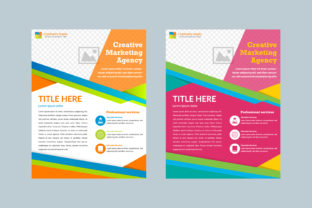
Educational design templates are pre-structured layouts that combine typography, color schemes, imagery, and graphic elements—such as the popular circles style seen in many modern brochure designs—into a cohesive visual framework. These templates are created for a variety of formats: A4 flyers, book covers, magazine spreads, posters, banners, and annual report brochures. Their core purpose is to save time, maintain consistency, and elevate the quality of visual communication in educational contexts.
Whether you're a school marketing coordinator designing a back-to-school information package, a teacher creating an exam infographic for students, or a non-profit organization preparing a colorful annual report, these templates provide a professional starting point. They help ensure that your message is not only seen but also understood and remembered.
The Evolution of Educational Visuals: From Plain Text to Vibrant Design
Not so long ago, school communications often relied on basic text documents, photocopied notices, and simple black-and-white handouts. While functional, these materials rarely captured the excitement of learning or the energy of a school community. Today, the landscape has shifted dramatically. Modern education templates embrace bold colors, dynamic layouts, vector illustrations, and abstract flat backgrounds that make information more accessible and engaging.
This shift is driven by a deeper understanding of how people process information. Research in educational psychology and visual communication consistently shows that well-designed materials improve comprehension, retention, and motivation. A colorful flyer announcing a science fair, for instance, does more than inform—it sparks curiosity and invites participation. Similarly, a well-structured infographic can turn a complex exam topic into a clear, memorable visual story.
Core Elements of an Effective Colorful Education Flyer Set
Creating a successful education flyer or brochure template involves balancing multiple design and content elements. Here are the key components that make these templates work for schools, universities, and learning organizations:
- Color Palette: Bright, harmonious colors are the hallmark of engaging educational materials. A circles-style design often uses a vibrant palette—think blues, greens, oranges, and pinks—to create visual energy without overwhelming the reader. Colors should reflect the brand or theme while remaining accessible to all audiences.
- Typography Hierarchy: Clear headings (h1, h2, h3), readable body text, and carefully chosen font styles guide the reader through the content. Educational templates prioritize legibility while allowing for creative expression in titles and callouts.
- Layout Structure: Whether it's an A4 flyer, a magazine spread, or a poster, the layout must balance text, images, and white space. Grid-based designs help organize information logically, making it easy for readers to scan and find what they need.
- Vector Illustrations and Icons: Custom vector graphics—such as school supplies, graduation caps, books, or abstract shapes—add personality and visual interest without requiring high-resolution photography. They scale beautifully across print and digital formats.
- Infographic Elements: For exam concept backgrounds and data-heavy content, infographic-style visuals (charts, timelines, diagrams) transform statistics and processes into easily digestible graphics.
- Consistent Brand Identity: Templates often include space for logos, school colors, and recurring design motifs. This consistency builds recognition and trust over time.
The Circles Style: A Modern Design Trend in Educational Templates
One of the most popular visual trends in contemporary education flyers and annual report brochures is the circles style. This design approach uses overlapping, intersecting, or arranged circles to create a sense of movement, connection, and inclusivity. In educational contexts, circles can represent cycles of learning, global perspectives, community unity, or the holistic development of students.
Circles add visual rhythm to a layout without relying on rigid geometric lines. They can frame key messages, serve as backgrounds for text, or act as decorative elements that draw the eye. Combined with an abstract flat background and thoughtful typography, the circles style creates a modern, approachable aesthetic that resonates with both younger audiences and parents.
Practical Applications in Modern Education and Business
Colorful education flyer templates and back-to-school information pages are used across a wide spectrum of scenarios. Understanding these applications helps design teams and content creators tailor their materials for maximum impact.
Back-to-School Information Packages
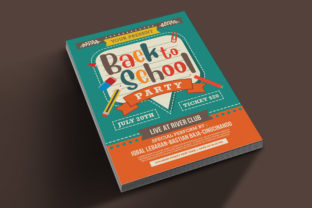
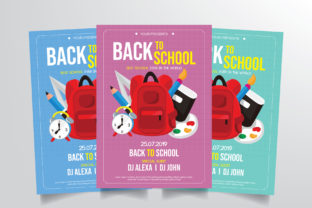
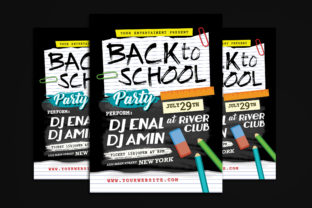
The start of a new school year is a critical time for communication. Parents and students need clear, welcoming information about schedules, supply lists, dress codes, bus routes, and extracurricular opportunities. A well-designed back-to-school flyer set can reduce anxiety, build excitement, and ensure that everyone starts the year on the same page. Templates with colorful circles, friendly illustrations, and organized sections make this information feel inviting rather than overwhelming.
Exam and Assessment Infographics
Exams can be stressful, but clear communication about test schedules, study tips, and grading policies can ease that burden. Exam infographic concept backgrounds help present complex information—like a semester's curriculum overview or a step-by-step study plan—in a visual format that students can quickly grasp. These materials are often printed as posters or included in digital newsletters.
Annual Reports and Brochures
Schools and educational organizations produce annual reports to share achievements, financial summaries, and future goals with stakeholders. A colorful annual report brochure flyer design template transforms what could be a dry document into a compelling story. Using circles style layouts, infographics, and professional typography, these reports become tools for building community pride and attracting support.
Event Promotions: Science Fairs, Sports Days, and Open Houses
From book fairs to parent-teacher conferences, events are the lifeblood of school communities. Posters, banners, and flyers that use vibrant colors and clear hierarchy ensure that event details—dates, times, locations, and contact information—are communicated effectively. A cohesive set of templates allows schools to maintain a professional image across all their promotional materials.
Magazines and Newsletters
School magazines and newsletters showcase student achievements, share news, and build community culture. Using magazine-style templates with consistent design elements elevates these publications from simple bulletins to cherished keepsakes. The combination of colorful graphics, student photos, and well-organized text creates a publication that families look forward to reading.
Book Covers and Educational Branding
Even book covers—whether for textbooks, workbooks, or school-produced anthologies—benefit from thoughtful design. A colorful, circles-inspired cover signals creativity and approachability, making students more likely to engage with the material. For schools developing their own branded materials, consistent template usage strengthens identity across all touchpoints.
Common Misunderstandings About Design Templates
Despite their growing popularity, some misconceptions persist about using educational design templates. Let's clarify a few of the most common ones:
- "Templates are only for non-designers." While templates are certainly accessible to beginners, experienced designers also use them as starting points or inspiration. A high-quality template saves time on repetitive layout tasks, allowing professionals to focus on customization, branding, and creative details.
- "Using a template means your materials will look generic." On the contrary, a well-chosen template provides a strong foundation that can be personalized with your school's colors, logo, images, and content. The best templates are flexible and adaptable, not rigid.
- "Colorful designs are only for elementary schools." Vibrant colors and dynamic layouts work across all educational levels, from preschool through university and adult education. The key is choosing the right palette and style for the audience. A circles-style layout can be both playful and professional depending on the color choices and typography.
- "Print design is less important than digital design." Despite the rise of digital communication, printed materials remain essential for many school communications—especially for reaching families without reliable internet access or for creating tangible, memorable artifacts like event programs and report cards.
How to Choose the Right Template for Your Needs
With so many options available—from vector illustration sets to complete A4 brochure templates—selecting the right design can feel overwhelming. Here are practical criteria to guide your decision:
- Identify your primary format. Are you creating a flyer, a poster, an annual report, or a complete set of materials? Choose a template that matches your most important output.
- Consider your audience. A template for a high school STEM fair might use bold geometric shapes and bright colors, while one for a university alumni magazine might lean toward a more refined palette and sophisticated typography.
- Evaluate customizability. Look for templates that allow you to change colors, fonts, images, and text easily. Templates with layered vector files (such as those in EPS, AI, or editable PDF formats) offer the most flexibility.
- Check for completeness. The best template sets include multiple page layouts, cover designs, interior pages, and supporting elements like icons and backgrounds. This ensures a cohesive look across your entire project.
- Prioritize print readiness. For printed materials, ensure the template is designed in the correct size (A4 is standard for many flyers and brochures) with proper bleed margins, color profiles (CMYK), and resolution (300 DPI).
Using Vector Illustrations and Abstract Flat Backgrounds Effectively
Vector illustrations are a cornerstone of modern education templates because they scale perfectly for both print and digital use. An abstract flat background—often featuring smooth gradients, overlapping shapes, or subtle patterns—adds depth without distracting from the content. When used thoughtfully, these elements create a professional, polished look that feels both current and timeless.
For leaflet cover presentations and layout illustration template pages, vectors allow for easy customization. You can change colors, reposition elements, or combine multiple illustrations to tell a unique story. This flexibility is especially valuable for schools that produce a high volume of communications throughout the year.
Bringing It All Together: A Complete Visual Communication Strategy
Colorful education flyers, back-to-school information pages, and related design templates are more than just pretty visuals—they are strategic tools that enhance understanding, engagement, and community connection. By investing in quality templates and thoughtful design, schools and educational organizations can communicate more effectively, build stronger relationships with families, and create a lasting impression of professionalism and care.
Whether you're launching a new academic year, celebrating student achievements, or sharing important updates, the right template set helps you tell your story in a way that words alone cannot. The combination of vibrant circles, clear typography, organized layouts, and meaningful content creates a visual language that resonates with readers of all ages.
In a world where attention is the most valuable currency, colorful educational design isn't just an option—it's a necessity. Start with a solid template, customize it to reflect your unique community, and watch your communications transform from ordinary information into inspiring invitations to learn, participate, and grow.