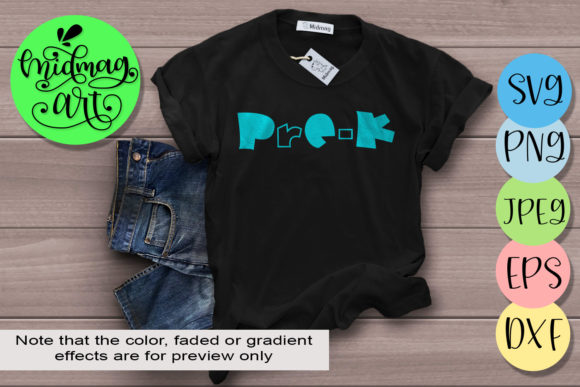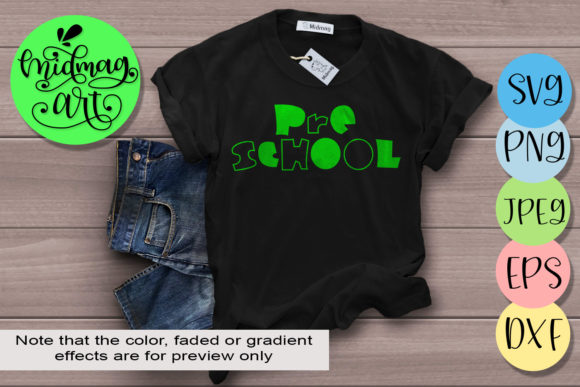
Preschool Back to School SVG: Creative Fun
The start of the preschool year is full of excitement, new routines, and plenty of opportunities for creativity. For parents, teachers, and makers, finding the right way to celebrate this milestone often leads to crafting personalized items. A Preschool Back to School digital file, especially an SVG pack, makes this incredibly simple. You get a zip file filled with versatile formats that work across many machines and software programs. Whether you are making a shirt for your little one or decorating a classroom, this resource helps you create without starting from scratch.
This article walks through what you get in such a pack, why it is valuable, and how you can put it to use in real-world projects. No hype, just practical guidance for beginners and experienced creators alike.
Understanding the Preschool Back to School SVG Pack
At its core, a Preschool Back to School SVG pack is a collection of digital design files centered around the theme of early childhood education. The artwork typically features playful elements like alphabet blocks, crayons, little buses, cheerful children, and phrases that capture the spirit of being three or four years old. Because it is digital, you receive no physical product but rather a zip folder containing several file types. This approach gives you flexibility: you can use the design on a computer, upload it to a cutting machine, or print it directly.
The main purpose of this pack is to save you time. Instead of drawing your own preschool graphic, you get a ready-made design that you can customize with names, colors, or additional text. For anyone who runs a small shop, teaches little learners, or just wants a heartfelt gift, this removes a major hurdle. You do not need advanced illustration skills to produce something that looks professional and polished.
The value lies in the versatility of the formats. Let us look at what comes inside the zip file:
- 1 SVG file – Scalable Vector Graphic. This is the most widely used format for cutting machines like Cricut Explore and Silhouette Designer Edition. It also opens in Adobe Suite, Inkscape, Corel Draw, and many other vector programs.
- 1 DXF file – Drawing Exchange Format. This is especially helpful for Silhouette users. If you have the free version of Silhouette Studio, you can open DXF files without upgrading, making it a budget-friendly option.
- 1 EPS file – Encapsulated PostScript. Professional designers often work with EPS files because they scale cleanly and work in Adobe Illustrator, Inkscape, Corel Draw, and similar software.
- 1 PNG file – Portable Network Graphics. This comes with a transparent background and a resolution of 300 dpi. It is perfect for printing on items like mugs or cards or for use in digital designs where you do not want a white box around the graphic.
- 1 JPEG file – Joint Photographic Experts Group. Also at 300 dpi, this high-resolution format works well for projects that need a solid background or for quick printing without any transparency concerns.
Having all five formats means you are covered no matter which software or machine you prefer. You can switch between them without hunting for converters or worrying about compatibility.
Who Benefits from This Digital Resource
A Preschool Back to School SVG pack appeals to a broad audience. Parents who want to make their child’s first day extra special can craft a custom t-shirt or a tote bag. Teachers preparing a welcoming classroom can create name tags, wall art, or labels that feel cohesive and cheerful. Small business owners who sell on platforms like Etsy or at local markets can use the design to produce items quickly and consistently, adding their own color schemes or shop branding.
Freelancers and graphic designers sometimes use these packs as a starting point for client projects. Instead of drawing a preschool graphic from scratch, they modify the SVG or EPS file, saving billable hours. Hobbyists who enjoy vinyl cutting or heat transfer projects find that these designs cut cleanly and layer well. Even bloggers and social media creators can drop the PNG into a digital post to promote back-to-school content or share a freebie with their audience.
The common thread is a need for a high-quality graphic that captures the preschool mood without requiring hours of design work. Whether your goal is personal expression, professional production, or educational decoration, this file format collection supports it.
Practical Uses for Your Projects
Let us consider some realistic ways to use the files. If you own a Cricut Explore or Maker, you would import the SVG into Design Space. From there, you can resize the design, weld it with a child’s name, and cut it from iron-on vinyl. Apply that to a plain white t-shirt or a canvas bag, and you have a one-of-a-kind gift. The same process works with the DXF file if you use Silhouette Studio.
For print-based projects, the PNG and JPEG files are your friends. Upload the PNG with its transparent background to a mug printing service or print it at home on sticker paper. You can make lunchbox notes, binder covers, or even a small poster for a classroom door. Because the resolution is 300 dpi, the image stays crisp even when printed at a decent size.
EPS and SVG files let you take customization further. Suppose you want to change the color of a crayon or swap out a letter in an alphabet block. Open the EPS in Adobe Illustrator or the SVG in Inkscape, edit the vector shapes, and save your version. This is handy when you are producing a series of items for a class and want each one to feel unique while still using the same core design.
Another common use is creating party decorations. A preschool back-to-school celebration or a meet-the-teacher event can benefit from themed banners, cupcake toppers, and favor tags. You can cut the design from cardstock using a cutting machine or print it on heavy paper. The transparent PNG also layers nicely over patterned backgrounds for invitations.
Important Considerations Before You Begin
Before you download and unzip the file, there are a few practical points to keep in mind. First, check the licensing. Many SVG packs are sold for personal use only, while others include a commercial license that allows you to sell finished products. If you plan to open a shop or sell items at a fair, confirm that your purchase covers commercial use. If it does not, reach out to the seller or look for a pack that explicitly grants those rights.
Second, note that the SVG and DXF files are designed for cutting machines. They work best when you have a program that can handle vector paths. If you are brand new to this, start with the PNG file for simple print projects. It requires no special software and works in any basic image program. Once you feel comfortable, move to the SVG for more advanced cutting work.
Third, always unzip the folder before trying to open the files. Some machines and software struggle to read files directly from a compressed folder. Extract everything to a dedicated folder on your computer so you can easily navigate to the format you need.
Fourth, consider the material you are cutting or printing for. Vinyl, heat transfer material, cardstock, and printable paper each have different settings on cutting machines. Test a small cut first to ensure the blade depth and pressure are correct. The same goes for printing: check that your PNG or JPEG is not being scaled in a way that reduces quality. Because the files are 300 dpi, they should print cleanly at sizes up to about 8 by 10 inches without noticeable pixelation.
Finally, think about the recipient. A preschooler will likely love bright colors and simple shapes. If you are making a shirt, choose a soft fabric and a vinyl that can withstand washing. For a teacher gift, consider pairing the design with a thoughtful message on a mug or a wall art piece. The emotional impact of a handmade item often outweighs the cost of materials, especially when it marks a milestone like starting preschool.
Matching the Design to Your Space and Style
One of the strengths of a digital file is its adaptability. You are not stuck with the default look. For example, the same Preschool Back to School graphic can feel modern with pastel tones or traditional with primary colors. If you are decorating a classroom, you might match the design to your existing palette. If you are making a product for your online shop, you can create multiple colorways from the same SVG by editing the fill colors in your vector software.
This flexibility also helps if you want to scale the design for different uses. A full-sized shirt graphic might need to be 10 inches wide, while a sticker for a pencil case could be just 2 inches. Because vector formats like SVG and EPS are resolution-independent, you can enlarge or shrink them without losing sharpness. That is a major advantage over raster formats like JPEG, which become blurry if stretched too large.
For beginners, the presence of both PNG and SVG in the same pack is a safety net. You can start with the PNG for quick projects while you learn how to handle SVG files in your cutting software. Over time, you will likely gravitate toward the vector formats for their versatility, but having the PNG gives you an immediate path to creation.
Making the Most of Your Digital Files
To get the best results from your Preschool Back to School pack, keep a few best practices in mind. Organize your digital files by theme or date so you can find them later. Many people collect SVG packs and then forget what they own. A simple folder structure with clear naming helps.
When you cut SVGs with a Cricut or Silhouette, pay attention to the design complexity. Preschool graphics are often simple, which makes them ideal for beginners. However, if the design has tiny details, your machine might struggle to cut them neatly from thick materials. Use a fine-point blade for delicate cuts and a standard blade for larger, simpler shapes.
If you are printing the PNG or JPEG, choose a high-quality paper or transfer medium. A glossy sticker paper brings out colors differently than a matte one. Test on a small sheet first to see how the ink absorbs. Similarly, when pressing a heat transfer onto fabric, follow the time and temperature recommendations for your specific vinyl brand. Over-pressing can cause the edges to peel or the material to harden.
For those who plan to sell items made from the design, keep records of where you purchased the file and what the license allows. This protects you if a customer asks about your sourcing, and it helps you stay compliant with marketplace rules.
Finally, share your work. Post photos of your finished projects on social media or in maker groups. You will inspire others, get feedback, and potentially attract customers if you sell your creations. The preschool community is warm and appreciative of handmade touches, and your efforts will likely be met with enthusiasm.
A Preschool Back to School SVG pack is more than just a collection of file formats. It is a starting point for meaningful projects that celebrate a child’s early learning journey. With a little creativity and the right tools, you can turn a digital download into a lasting keepsake.